How Football Is Turning Fans Into Participants
| What Is Football Fan Engagement? Football fan engagement is the set of strategies clubs use to build two-way relationships with supporters. It spans everything from social media interaction and digital content to matchday experiences, community events, and participatory program like running clubs. Effective football fan engagement transforms passive spectators into active participants who invest their time, identity, and loyalty in the club. |
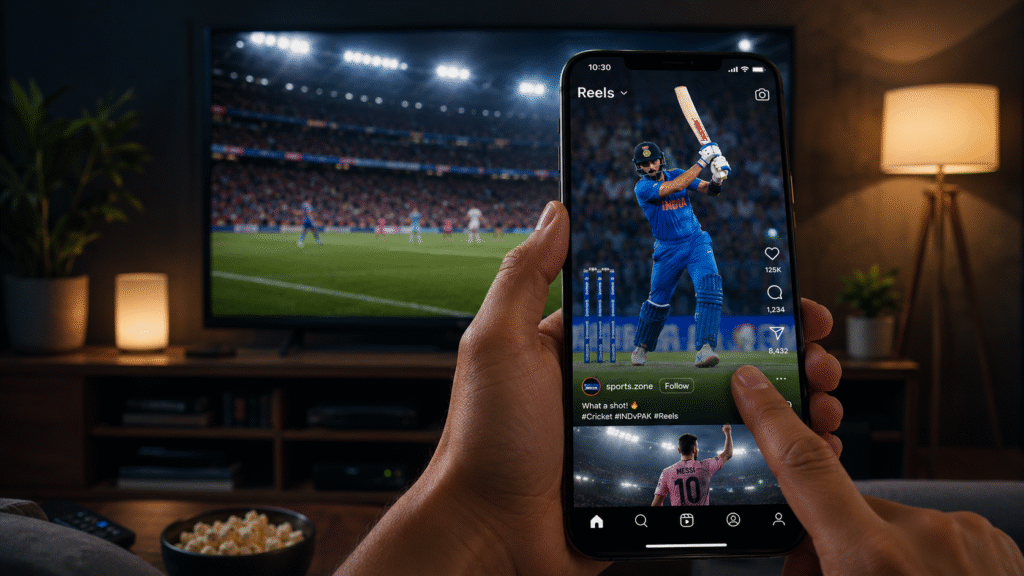
Football has always been a sport of passion. But for most of its history, that passion has been one-directional, fans watched, clubs performed, and the relationship was mediated by a television screen, a stadium seat, or a social media feed. That model is changing. And the clubs that understand this shift are not just improving football fan engagement; they are fundamentally redesigning what it means to be a fan. Roger Hampel, founder of the Football Business Journal and a leading voice in sports business strategy, has been tracking this transformation closely. His insight is simple but profound: football clubs are no longer in the business of selling spectacle alone. They are in the business of building communities. The question for sports fan engagement is no longer “how do we get fans to watch?” but rather, “how do we get fans to participate?”
The Evolution of Football Fan Engagement
A generation ago, fan engagement in football meant match-day attendance, merchandise sales, and a club newsletter. Then came the digital revolution, social media followings in the hundreds of millions, app-based content platforms, fantasy football, and behind-the-scenes video access. These were all meaningful advances in digital fan engagement. But they shared a common limitation: they kept the fan in a fundamentally passive role. The data tells an interesting story. Top clubs like Real Madrid, FC Barcelona, and Paris Saint-Germain have built social media followings that dwarf many global media brands. Yet audience size and genuine fan engagement are two very different things. Impressions do not equal loyalty, and followers do not equal community.
The shift we are witnessing is from attention to behaviour, from clubs asking fans to watch, to clubs inviting fans to act. This is the new frontier of football fan engagement.
Why Football Fan Engagement Is Changing in 2026
The limitations of legacy fan engagement models are becoming clearer. Digital content is abundant and cheap to produce, which means it is increasingly difficult for clubs to cut through the noise. Younger audiences, particularly Gen Z, are sceptical of broadcast-style marketing. They do not want to be spoken at; they want to be involved. They seek identity, community, and shared experience.
Sponsorship, long a backbone of football’s commercial model, is also under pressure to prove its value beyond logo placement and stadium signage. The most effective partnerships are those that create genuine experiential value for the supporter, ones where the fan is a participant, not merely an audience. At the same time, the wellness and fitness economy is booming. The global running market is estimated at approximately $8 billion and growing. Strava, the fitness tracking platform, reported a 59% increase in running club participation globally in 2024, with over 135 million users across 190 countries. Running is no longer a niche hobby. It is a mainstream social movement, particularly among the urban, digitally connected demographics that clubs most want to reach through smarter fan engagement strategies.
PSG Running: A New Football Fan Engagement Strategy

No club has moved more boldly at this intersection than Paris Saint-Germain. In February 2026, PSG officially launched PSG Running, a comprehensive, global community initiative that blends physical events, digital fan engagement, and lifestyle activations under one umbrella. The programme has several interconnected layers. At its flagship is the return of We Run Paris, the club’s 10K race finishing at the Parc des Princes, which sold out within hours of tickets becoming available. Beyond Paris, PSG has launched international Run Clubs, beginning in London, with plans to expand across key global markets. A digital PSG Run Club on Strava went live in March 2026, embedding the club’s brand directly into the daily fitness routines of its global fan base.
The Strava integration is strategically important. It meets fans where they already are, embedding PSG into daily behaviour rather than competing for attention in a saturated content environment. This is digital fan engagement at its most effective.

The scale of PSG’s infrastructure underpins this ambition. The club has 180 official supporters’ clubs active across all continents and PSG Academies in 22 countries. These existing networks serve as local activation hubs, giving the programme a genuinely grassroots reach. Nike serves as the long-standing partner integrated across the running initiative, connecting product, performance, and community into a single fan engagement strategy. Four-time Olympic champion Sir Mo Farah joins as programme ambassador, not just for star power, but for authentic utility, delivering coaching content and training advice that serves the community. PSG Running also offers nutrition guidance, training methods, and youth courses for children aged seven and above, broadening its appeal well beyond the traditional football demographic.
How Football Clubs Engage Fans Today: From Attention to Behaviour
What PSG is building, is not a marketing campaign. It is a fan engagement ecosystem, one designed to integrate the club into the lived experience of its global community. This is a fundamentally different proposition from the conventional sports fan engagement playbook.
Consider the difference in engagement depth. A fan who watches a PSG match on television is exposed to the brand for 90 minutes, passively. A fan who joins a PSG Run Club in London, logs their weekly training on Strava, registers for We Run Paris, and follows Sir Mo Farah’s coaching content has integrated PSG into their weekly routine, their social circle, and their personal identity. This is the shift that Roger Hampel and others in sports business strategy have been highlighting: the move from spectators to participants. In modern football fan engagement, passive fans consume, active participants invest. They invest their time, their effort, their social currency, and ultimately, their loyalty.
Why Community-Led Fan Engagement Creates Stronger Loyalty

The relationship between experiential participation and fan loyalty is well-documented. Research on experiential marketing in sports sponsorship consistently shows that engagement-based experiences increase satisfaction and deepen brand connection in ways that traditional advertising cannot match. When fans do something together under a club’s banner, the club becomes associated with identity and achievement, not just entertainment.
Run clubs, specifically, have emerged as one of the most powerful community-building formats of the decade. The Wall Street Journal and others have noted the extraordinary rise of run clubs as cultural phenomena, spaces where people form genuine friendships, share personal milestones, and develop strong communal identities. Brands that attach themselves authentically to run clubs gain cultural relevance, not just visibility. This is sports fan engagement at a community level. PSG is effectively creating its own run club culture at a global scale. Every kilometre logged, every local event attended, and every new runner introduced to the programme deepens the relationship between fan and club. The compounding value of this kind of fan engagement in football is enormous and difficult for competitors to replicate quickly.
The Business Impact of Football Fan Engagement
The commercial logic of participatory football fan engagement is compelling. Running programmes create multiple monetisation touchpoints that passive viewership cannot. Merchandise, event registrations, premium membership tiers, co-branded apparel with Nike, and data from Strava integrations all generate revenue streams that extend well beyond traditional matchday and broadcast income.
Perhaps most importantly, participatory fan engagement programmes generate first-party data, information about fan behaviour, preferences, and activity that clubs own directly. In an era of increasing data privacy regulation, this kind of behavioural data is exceptionally valuable.
- Running event registrations create direct revenue and direct fan data.
- Strava integration provides year-round behavioural insights on engaged fans.
- Nike partnership integrates product placement naturally into the community experience.
- 180 global supporter clubs serve as activation infrastructure at near-zero marginal cost.
- Youth running courses build the next generation of loyal fans.
Sponsors also benefit significantly. A brand associated with PSG Running is not placing a logo in front of passive viewers; it is embedded in an active, aspirational community. Academic research on sports sponsorship consistently shows that this kind of experiential fan engagement drives stronger purchase intent and more positive brand attitude than awareness-only sponsorship.
Why Running Clubs Are the New Social Media for Fan Engagement in Sports
There is a broader cultural trend at work here. Social media engagement is declining in quality even as it grows in scale. Many users, particularly younger ones, report feeling more isolated despite spending more time online. Run clubs offer something social media cannot: genuine, embodied, shared experience.
Strava’s own data shows that over half of Gen Z users who joined fitness groups in 2024 cited social connection as their primary motivation. Four times more respondents said they preferred meeting new people through fitness groups rather than at bars or social venues. Group physical activity is becoming the new social infrastructure, and a powerful channel for sports fan engagement.
Running is no longer just fitness. For a growing number of people, it is a primary social identity. For football clubs serious about fan engagement, that is not a trend to observe, it is a channel to own.
PSG’s strategy positions the club at the centre of this cultural moment. By building a running ecosystem with genuine utility, authentic ambassadorship, and global reach, PSG is not just deepening football fan engagement with existing supporters. It is opening the club’s door to an entirely new audience of runners who share the same values of community, achievement, and belonging.
The Future of Fan Engagement in Football

PSG’s running programme is, for now, an outlier. Most football clubs still operate with fan engagement strategies built primarily around matchday and digital content. But the commercial pressures facing the sport, rising costs, saturated digital channels, and increasing competition for the attention of younger audiences, will push more clubs toward participatory models of fan engagement. Clubs that begin building participatory ecosystems now will accumulate community assets, data, loyalty, habit, identity, that will be very difficult for latecomers to replicate. For emerging markets, including India where football is growing alongside a booming fitness culture and a young, urban population, the sports fan engagement opportunity is particularly significant. The ISL and its clubs have a genuine opportunity to embed themselves in their communities through participatory programmes adapted for local context.
Conclusion: The Rise of Participatory Football Fan Engagement
The future of football fan engagement will not be built on bigger screens or more sophisticated algorithms alone. It will be built on communities, communities where fans do not just watch the club but live it. PSG’s running ecosystem is an early and sophisticated example of what that future looks like.
As Roger Hampel has argued, the clubs that will thrive are those that understand the distinction between an audience and a community. Audiences are rented. Communities are built. And built communities are the most durable commercial asset a sports organisation can possess.
Football fan engagement is shifting from attention to participation. The clubs that act on this insight today will define the fan engagement landscape of tomorrow.
Key Takeaways
- Football fan engagement is evolving from passive viewership to active, participatory community-building.
- PSG Running is the leading case study: a global ecosystem spanning events, Strava digital integration, and 180+ supporter clubs across 22 countries.
- Running clubs are culturally ascendant: Strava recorded a 59% growth in run club participation in 2024 across 135M+ users.
- Participatory fan engagement generates first-party data, deeper loyalty, and new revenue streams that broadcast models cannot.
- Clubs that build community-led fan engagement assets now will hold a structural commercial advantage in the years ahead.
Frequently Asked Questions
What is football fan engagement?
Football fan engagement refers to how clubs build active, two-way relationships with supporters through digital content, community initiatives, and participatory experiences. It goes beyond passive viewership, turning fans into active participants in the club ecosystem.
How do football clubs engage fans digitally in 2026?
Modern football fan engagement includes social media, mobile apps, streaming platforms, and third-party integrations. For example, Paris Saint-Germain uses Strava to embed its brand into fans’ daily fitness routines, creating continuous engagement beyond matchdays.
Why is fan engagement important in football?
Fan engagement is important in football because it builds loyalty, increases revenue opportunities, and strengthens emotional connection. Engaged fans are more likely to attend matches, buy merchandise, and participate in club activities, making engagement a key driver of long-term success.
Can other football clubs replicate PSG’s fan engagement strategy?
Yes, although scale differs. While Paris Saint-Germain benefits from a global network, the core football fan engagement model, turning fans into participants through community initiatives, can be replicated by clubs at any level.