
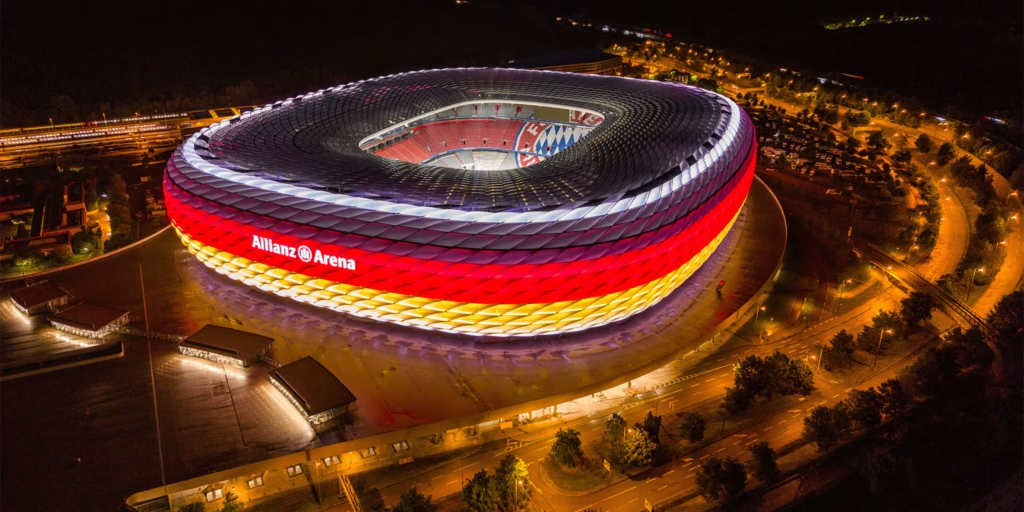
Sponsorship vs Activation: The Missing Link in Sports Marketing
Brands pour billions into sports sponsorships every year , yet most never unlock the full value. Here’s why the deal is only the beginning, and activation is where the real ROI lives.
What Is a Sports Sponsorship, And Where Does It End?
Every year, brands across the globe spend tens of billions of dollars on sports sponsorships. Their logos appear on jerseys, stadium walls, broadcast overlays, and official merchandise. And then, for a surprisingly large number of those brands, almost nothing happens. No meaningful uplift in brand awareness. No measurable increase in consumer engagement. No clear return on a substantial investment.
The reason is almost always the same: the sponsorship was treated as the finish line, when it is actually just the starting line.
This is the core tension at the heart of modern sports marketing, the critical, often misunderstood gap between sponsorship and activation. Understanding this distinction, and knowing how to bridge it, is no longer optional for brands that want to compete. It is the missing link that separates forgettable logo placements from unforgettable brand experiences.
A sports sponsorship is a contractual, commercial relationship in which a brand pays a sports property, a team, league, athlete, event, or venue, in exchange for rights and assets. Those assets typically include brand visibility, hospitality access, intellectual property rights, and association with the sporting property’s audience.
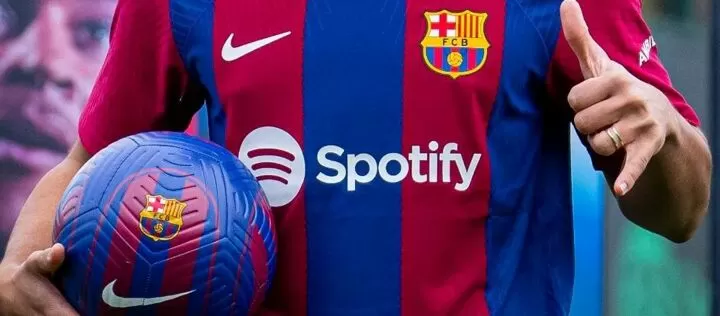
Sponsorship, in its most basic form, is a rights purchase. The brand acquires the legal right to be associated with something fans already love. It is valuable, but it is passive. The logo sits on the jersey. Fans see it, perhaps thousands of times over a season. But seeing is not the same as feeling, and feeling is not the same as acting. This is precisely where most brands stop. They sign the deal, receive the assets, place the logos, and wait. What they are actually doing is leaving the most powerful part of the investment completely untouched.
| Sponsorship ROI does not happen with a magic wand. You cannot spend a lot of money on sponsorship, sit back, relax, and watch new business come in. You must build unique programs using a strategic mix of assets that best aligns with your ongoing business objectives. |
What Is Sponsorship Activation, And Why Does It Matter?
Sponsorship activation is the strategic process of leveraging a sponsorship to create engaging, memorable experiences for a target audience. It is the bridge between the rights a brand has purchased and the outcomes like awareness, affinity, loyalty, and revenue, that those rights are capable of generating.
While a sponsorship gives you the right to be present, activation is how you make your presence matter. It moves the relationship from transactional to experiential, from passive to participatory, and from forgotten to felt.
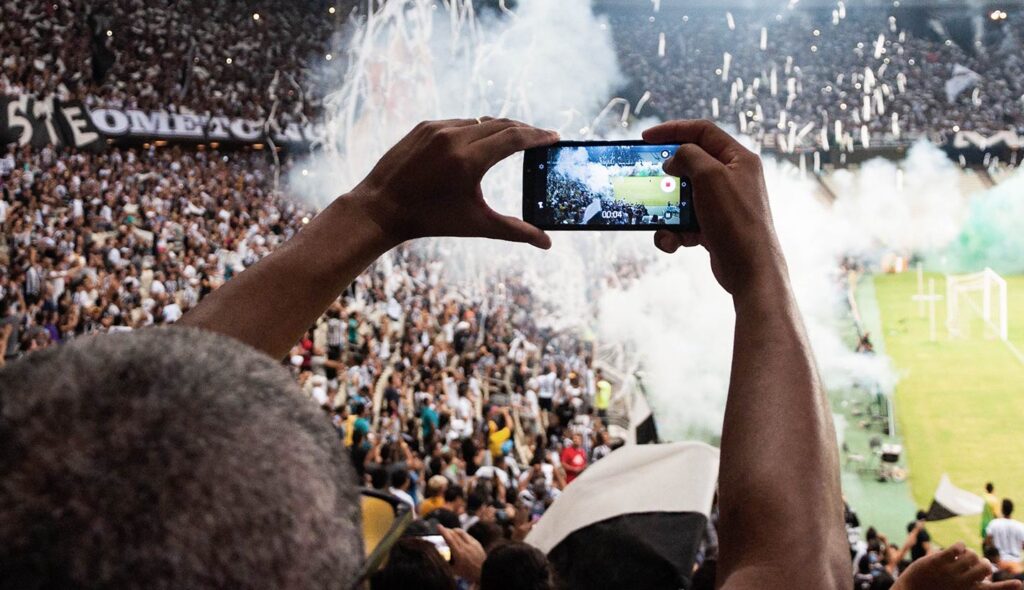
Modern sponsorship activation can take many forms: experiential marketing events that put fans inside the brand story, social media campaigns that extend the emotion of live sport into everyday digital life, athlete endorsement integrations that feel authentic rather than forced, interactive fan zones, virtual reality experiences, product sampling at key sporting moments, and community-driven initiatives that anchor the brand to something fans genuinely care about.
| DIMENSION | SPONSORSHIP (RIGHTS) | ACTIVATION (EXPERIENCE) |
| Nature | Passive — logo, badge, association | Active — campaign, experience, story |
| Fan Interaction | One-directional (brand → fan) | Two-directional (brand ↔ fan) |
| ROI Clarity | Difficult to isolate | Measurable through engagement KPIs |
| Brand Emotion | Awareness (I’ve seen them) | Affinity (I connect with them) |
| Duration of Impact | During the contract period | Extends beyond the event/season |
| Customisation | Standardised assets | Tailored to audience & objectives |
The Dangerous Myth of “Exposure Is Enough”
The sports marketing industry has long operated under a comfortable assumption: that being associated with something popular is inherently valuable. The thinking goes, if millions of fans watch the game and see your brand, the awareness will translate into affinity, and affinity into purchase intent.
This logic is not entirely wrong. Brand exposure does build familiarity, and familiarity does correlate with preference. But in a media environment where fans are overwhelmed with commercial messages across every screen and channel, simple logo visibility has become the floor, not the ceiling, of effective sponsorship.
Brands that treat sponsorship as a standalone strategy ( investing heavily in rights fees and minimally in activation) are effectively paying for a billboard in a city where no one looks up anymore. They are present in the environment, but absent from the conversation. And in sports marketing, the conversation is everything. Research consistently finds that brands investing disproportionately in rights acquisition while under-funding activation programs fail to generate the ROI their investments should deliver. Many sponsors are over-investing in properties and lack adequate funding to support the activation programs that are the true levers to generating return.
Understanding the Difference: Leverage vs. Activation
A further nuance that even experienced marketers sometimes blur is the distinction between sponsorship leverage and sponsorship activation. Though often used interchangeably, they describe meaningfully different activities.
Sponsorship leverage refers to any marketing activity that surrounds and amplifies the sponsorship, advertising that references the partnership, PR campaigns built around the association, internal communications that celebrate the deal. Leverage is outward amplification. It tells people you are a sponsor.
Sponsorship activation goes deeper. It uses the rights and assets acquired through the sponsorship to create direct, participatory experiences for the target audience. Activation shows people what the sponsorship means — for them, in their lives, through their passion for sport. It is not commentary on the sponsorship; it is the sponsorship being lived.
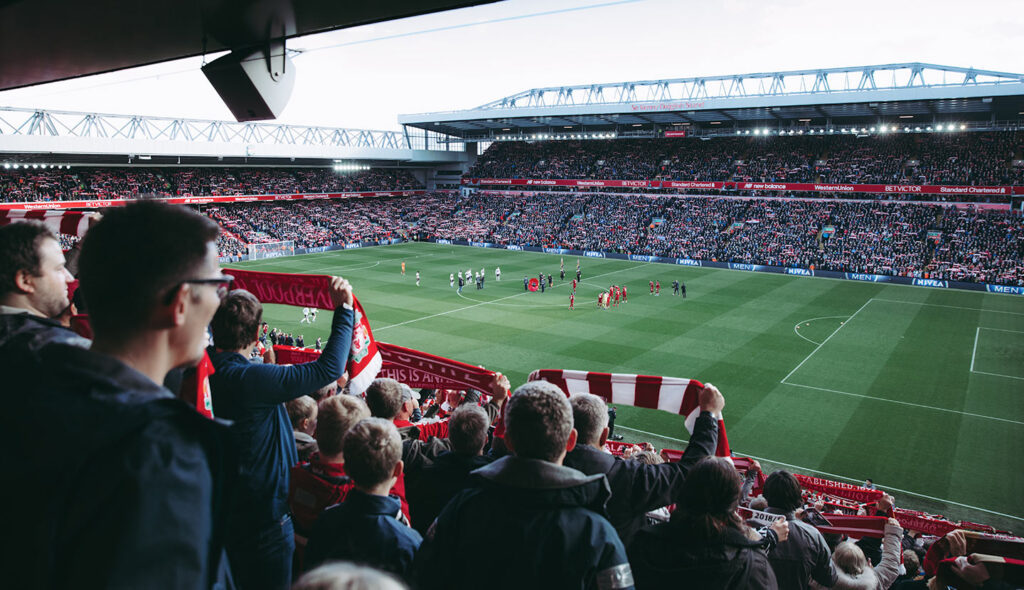
- KEY INSIGHT: ACTIVATION IS THE TRUE ENGINE: Leverage amplifies awareness. Activation builds loyalty. For brands seeking long-term ROI, activation is not the support act for the sponsorship, it is the main event. The best strategies allocate budget proportionally: for every dollar spent on rights, smart brands deploy an additional dollar (or more) on activation programs designed to bring those rights to life.
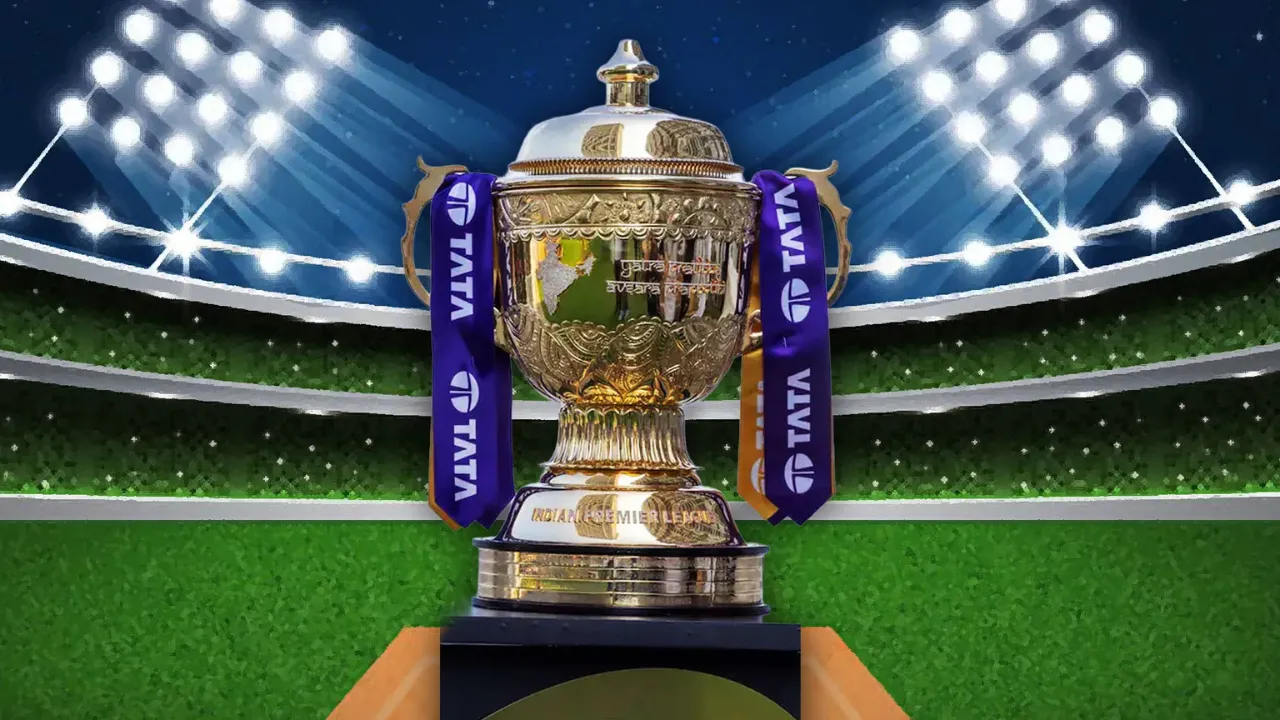
The Multi-Screen IPL: How Fans Watch Cricket in 2026
The Multi-Screen IPL: How Fans Watch Cricket in 2026 IPL fandom has moved beyond the broadcast. Here is what modern…
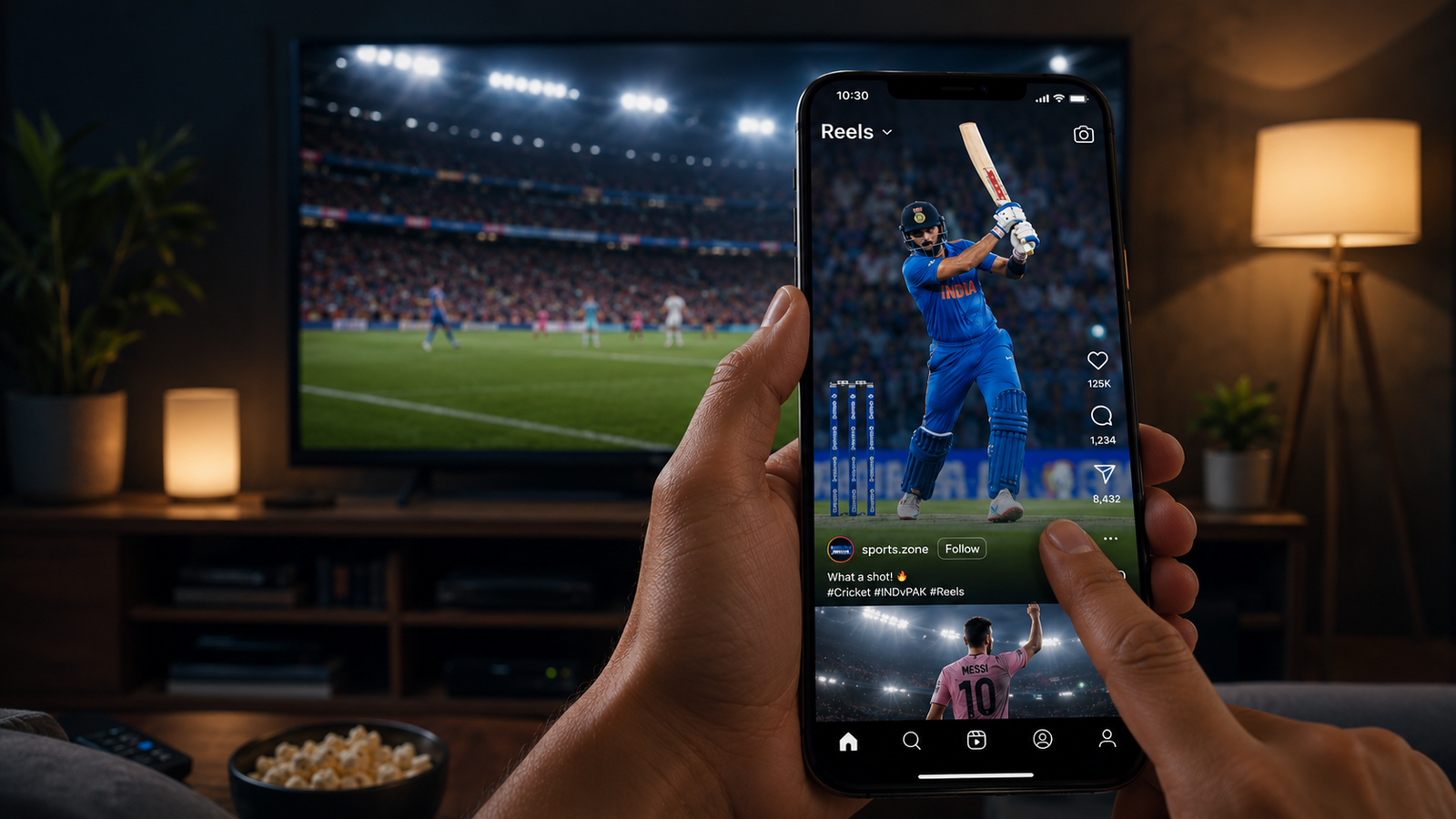
Reels, Shorts, and TikToks Have Changed Sports Fans Forever
Reels, Shorts, and TikToks Have Changed Sports Fandom Forever Sports are no longer consumed linearly. They are consumed algorithmically. Here…
The Real ROI of Sponsorship Is Not Reach
The Real ROI of Sponsorship Is Not Reach Brands have been measuring the wrong thing for decades. Here is what…
What Effective Sponsorship Activation Looks Like: Real-World Examples
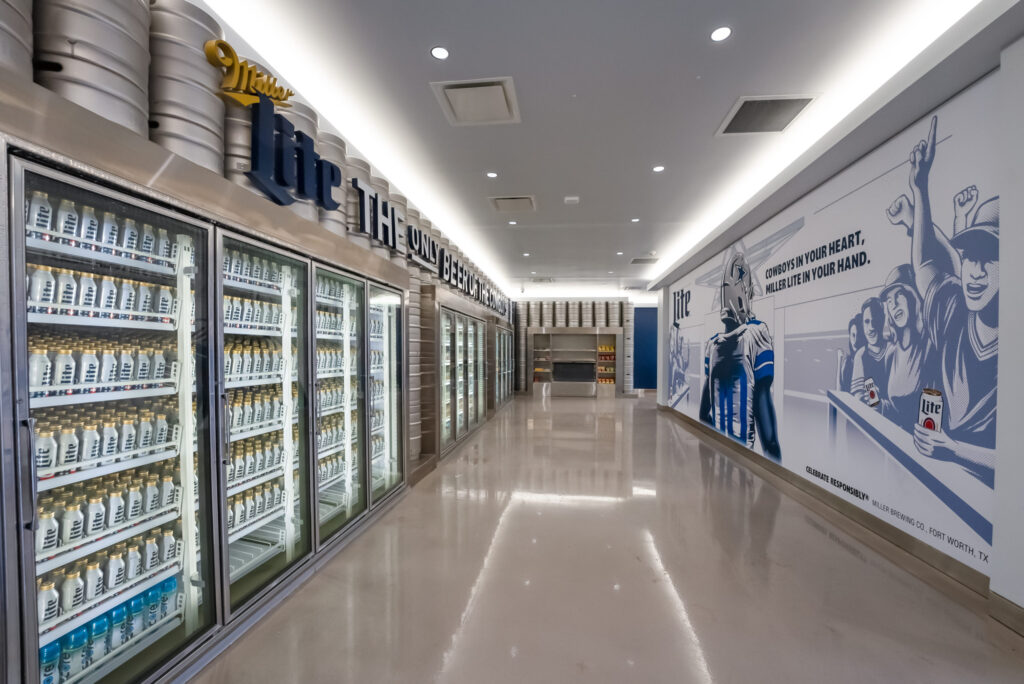
Miller LiteHouse at AT&T Stadium
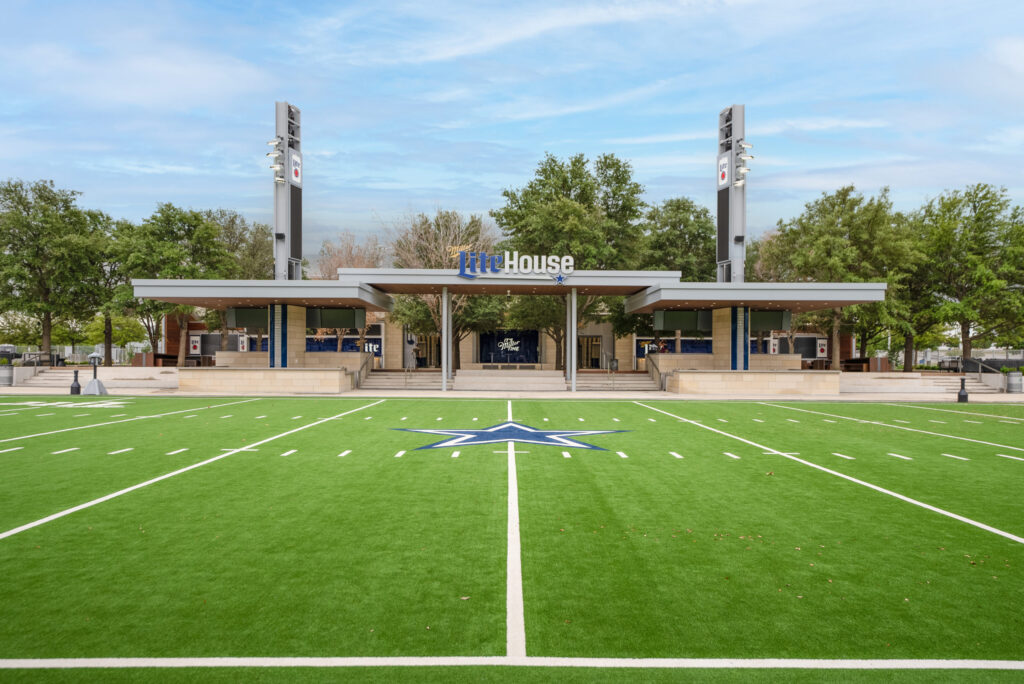
| ▶ CASE STUDY — EXPERIENTIAL ACTIVATION |
| Miller Lite & Dallas Cowboys: Turning a Partnership Into a Destination As part of a 10-year, $200 million partnership between the Dallas Cowboys and Molson Coors, creative agency Advent was brought in to design the Miller LiteHouse at AT&T Stadium, a year-round activation space designed to maximize fan engagement and drive measurable commercial results. Rather than simply applying a brand logo to an existing concourse space, the activation created an entirely new experiential destination, a venue within a venue. It hosts pre- and post-game events, community festivals, and watch parties, integrating the Miller Lite brand directly into the fan’s emotional journey through the stadium experience. RESULT: Beer sales increased by 80%, and the Miller LiteHouse became a cornerstone of the fan experience, creating organic, shareable social media moments and sustained brand affinity far beyond what logo placement alone could have achieved. |
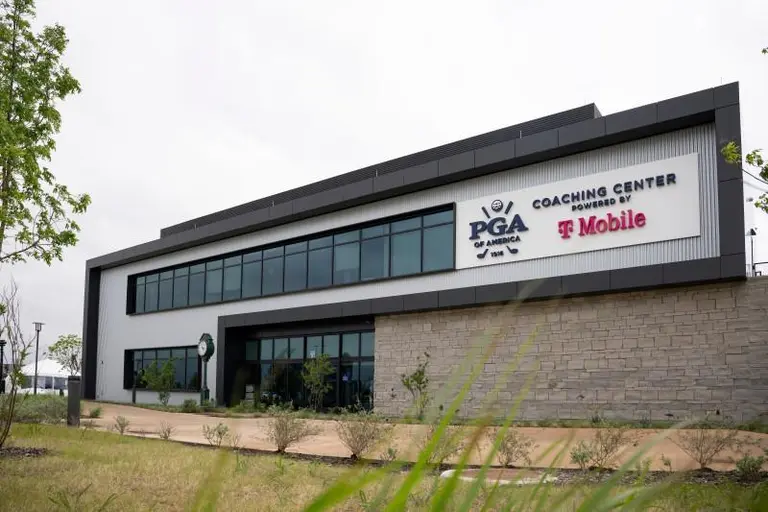
PGA of America & T-Mobile: Technology as the Activation
| ▶ CASE STUDY — TECHNOLOGY-LED ACTIVATION |
| T-Mobile Coaching Center at PGA Frisco Rather than treating its PGA of America partnership as a branding opportunity alone, T-Mobile used the sponsorship as a platform to demonstrate its core product, 5G connectivity, in a context fans could directly experience. The PGA Coaching Center Powered by T-Mobile at PGA Frisco brought immersive coaching tools, real-time performance data, and connected fan experiences to life. The activation did not simply tell golfers and fans that T-Mobile had fast, reliable connectivity. It let them feel it, use it, and benefit from it in a setting they already cared about deeply. RESULT: Brand-product integration that transforms a sponsorship from an awareness play into a genuine product experience — one of the most effective ways to drive purchase consideration through sports marketing. |
How to Build a High-Impact Sports Sponsorship Activation Strategy
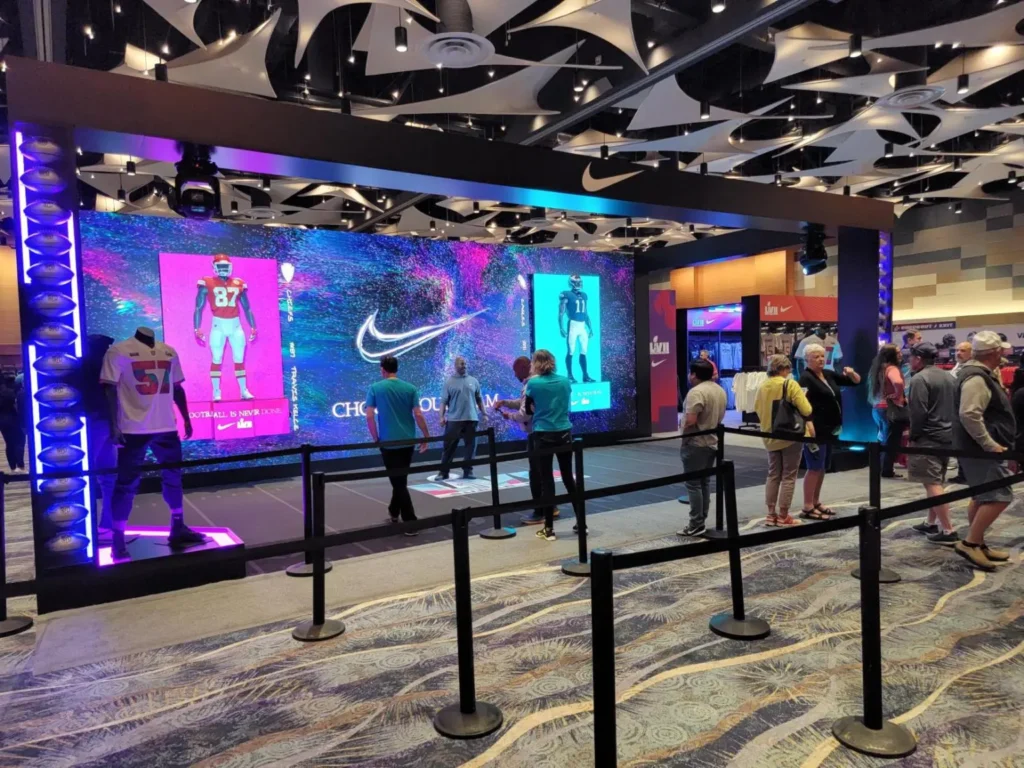
For brands looking to move beyond passive sponsorship into genuine activation, there is no single template, but there is a proven strategic framework. The most effective sponsorship activation strategies share a common architecture:
| 1. Start with objectives, not assets Before designing any activation, define clearly what you are trying to achieve. Brand awareness? Purchase consideration? Customer loyalty? New customer acquisition? Each objective calls for a different activation mechanic. Many sponsors make the mistake of acquiring assets and then asking what to do with them, reverse this process entirely. |
| 2. Know your audience’s emotional touchpoints Effective activations are built on a deep understanding of what fans actually feel when they engage with the sport or team being sponsored. What are the rituals, the peak emotional moments, the community bonds that define the fan experience? Activations that tap into these truthful emotional touchpoints land; those that ignore them feel commercial and hollow. |
| 3. Activate across multiple channels simultaneously The most powerful sports sponsorship activation strategies are multi-channel by design. Social media is now the dominant channel for most activations, offering unmatched targeting capability, real-time reach, and relatively low cost. But digital activation alone rarely creates the depth of engagement that drives lasting brand affinity. The best programs layer social and digital on top of physical, experiential activation. |
| 4. Build for adaptability, not just the moment Short-term activations, one-off stunts designed around a single match or event, can generate spikes of attention but rarely sustain brand equity. The most valuable activations are designed to evolve: living brand narratives that can grow, adapt, and remain relevant across an entire season or multi-year partnership. |
| 5. Integrate activation into your broader marketing ecosystem Your sponsorship assets do not need to exist in isolation. The most commercially effective activations are woven directly into an organization’s existing marketing strategy, amplifying campaigns that are already working, feeding fresh content into channels that already have audience traction, and creating a coherent brand narrative across both sponsorship and non-sponsorship touchpoints. |
| 6. Measure relentlessly and optimize continuously Unlike passive sponsorship, activation opens a much richer set of measurement opportunities: engagement rates, social sentiment, footfall in experiential zones, scan rates on interactive elements, uplift in purchase intent, and changes in brand health tracking. Use these signals to continuously improve activation programs across the life of the partnership. |
The Budget Question: How Much Should Brands Spend on Activation?
One of the most common questions from brands entering the sports marketing space is how to allocate budget between rights fees and activation spend. Industry convention has historically suggested a 1:1 ratio, for every dollar spent on acquiring sponsorship rights, an additional dollar should be invested in activation.
In practice, the optimal ratio depends heavily on objectives. Brands seeking deep consumer engagement or product-experience integration should consider investing even more heavily in activation relative to rights. Those building primarily for brand visibility in a high-reach property may find a lower activation ratio sufficient. What is clear from the evidence is this: the brands that consistently generate the strongest sponsorship ROI are those that treat activation investment not as an optional extra, but as a core component of the partnership budget from the very beginning of the deal negotiation.
| PRACTICAL GUIDANCE: START SMALL, SCALE SMART For brands new to sponsorship or entering a new property, resist the pressure to over-invest in comprehensive top-tier packages from day one. Start with a purposeful, manageable set of assets. Test your activation hypotheses internally and externally. Understand what resonates with the specific audience of this specific property. Then invest further in what works. A thoughtful, well-executed activation on a modest budget will outperform a poorly planned activation on a large one almost every time. |
The Future of Sports Sponsorship Activation
Digital and social-first activation has moved from supplementary to central, brands that cannot create compelling, shareable content from their sponsorship assets are increasingly at a disadvantage in the attention economy.
Technology-led activation is opening new frontiers. Augmented and virtual reality experiences allow fans to interact with sponsoring brands in immersive ways that were impossible even five years ago. Data-driven personalization is enabling brands to tailor activation experiences at the individual fan level.
Purpose-driven activation: connecting sponsorship assets to social, community, or environmental causes that genuinely align with the brand’s values, is becoming a key differentiator for brands seeking to build authentic relationships with younger sports audiences who expect brands to stand for something beyond commercial self-interest.
Frequently Asked Questions: Sponsorship vs Activation in Sports Marketing
What is the difference between sponsorship and sponsorship activation?
Sponsorship is the commercial agreement that gives a brand rights to associate itself with a sport, team, athlete, or event. Activation is the strategic use of those rights to create engaging, meaningful experiences for the target audience. Sponsorship is passive; activation is active. Both are necessary, but activation is where ROI is actually generated.
What are examples of sports sponsorship activation?
Activation examples include branded fan zones, interactive stadium experiences, athlete-integrated social media campaigns, product sampling at events, virtual reality brand experiences, community events tied to the sponsorship, co-branded content series, and technology demonstrations such as T-Mobile’s 5G coaching Centre at PGA Frisco.
How much should a brand spend on sponsorship activation?
A common industry benchmark is to invest at least as much in activation as in the rights fees themselves, the 1:1 ratio. Brands seeking deeper consumer engagement may need to invest more. The key principle is that activation budget should be planned as part of the total partnership investment from the outset, not added as an afterthought.
Why is sports sponsorship activation important for ROI?
Without activation, a brand’s sponsorship assets generate only passive awareness, which is difficult to measure, easy to ignore, and unlikely to drive meaningful commercial outcomes. Activation transforms those assets into active engagement, creates measurable touchpoints with consumers, and generates the emotional resonance that drives brand preference and purchase intent.
What is the role of social media in sponsorship activation?
Social media is now the most widely used channel for sponsorship activation, owing to its targeting capabilities, real-time reach, and relatively low cost compared to physical activation. It enables brands to extend the emotional intensity of live sporting moments into fans’ everyday digital lives, create shareable content that amplifies sponsorship visibility organically, and build ongoing community around the brand-sport association.
Conclusion: The Deal Is Just the Beginning
Sports sponsorship represents one of the most powerful tools available to brands that want to connect with passionate, loyal, emotionally engaged audiences. The scale, the emotional intensity, and the cultural significance of sport create a unique marketing environment, one where brands can, if they get it right, forge genuinely lasting connections with consumers.
But that environment does not work its magic automatically. The sponsorship agreement, the logo placement, the badge of association, these are necessary conditions for sports marketing success, not sufficient ones. The missing link, consistently and almost universally, is activation: the deliberate, strategic, creative work of bringing the sponsorship to life.
The brands that win in sports marketing are not necessarily those with the biggest sponsorship portfolios or the most prestigious naming rights. They are the brands that understand activation, that see the deal not as the destination, but as the door. And they are the brands creative and disciplined enough to build something worth walking through it for.
In sports marketing, the sponsorship buys you a seat at the table. Activation is everything you say once you sit down.
